
Ellefson's Return
2010-2014
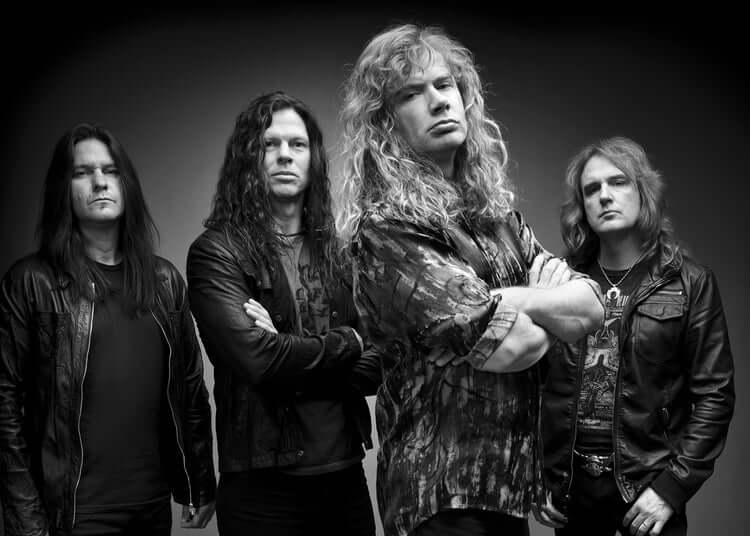
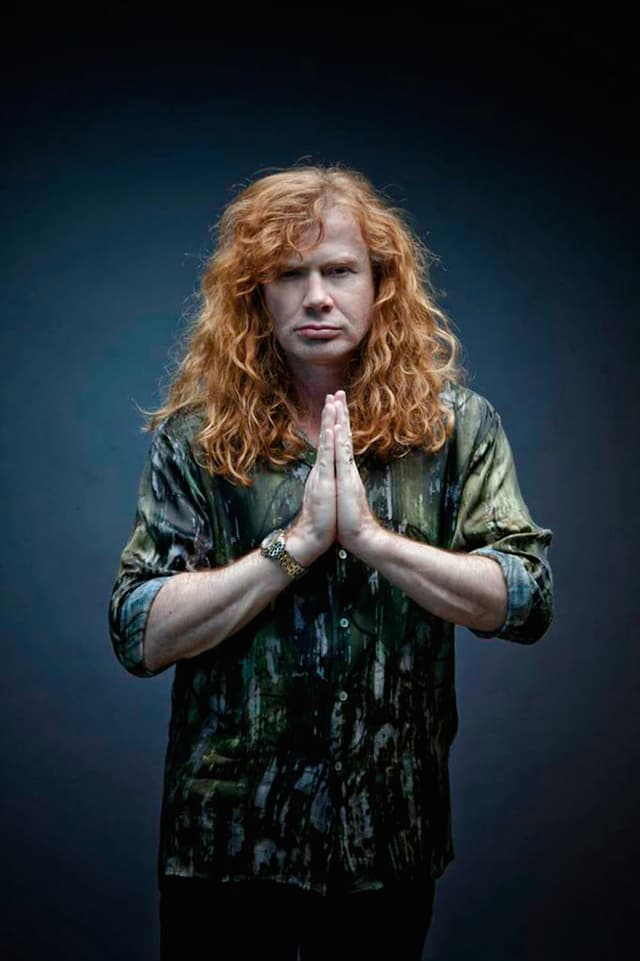
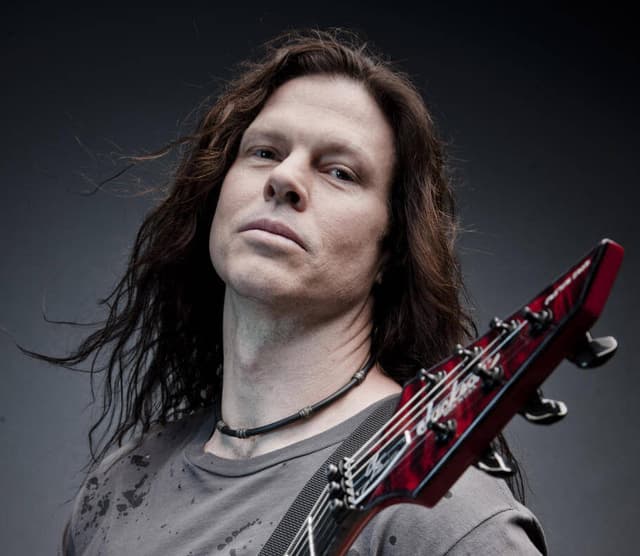
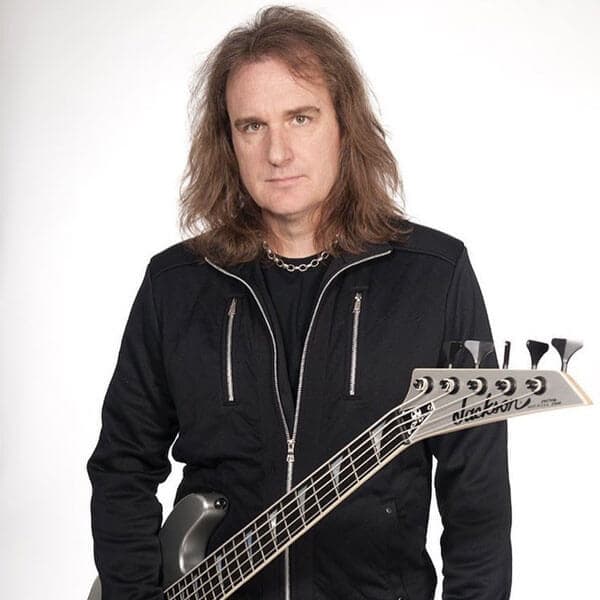
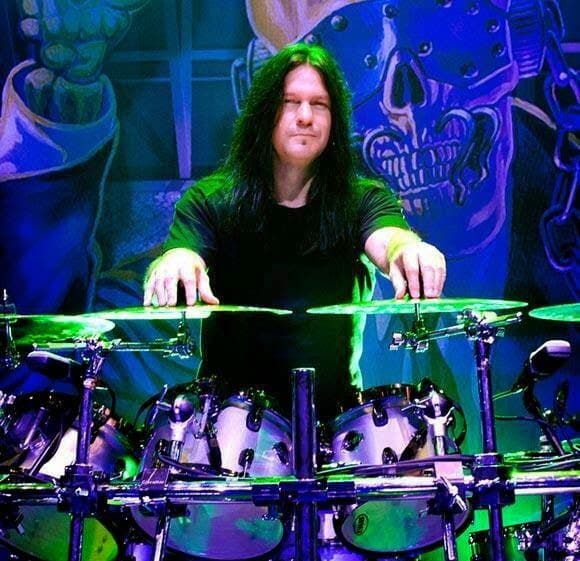
Ellefson's Return marked one of the most emotionally significant and musically productive eras in Megadeth's modern history, when the return of co-founder and classic bassist David Ellefson after eight years of absence not only completed the band's reconnection with their historical roots but also established the foundation for a period of creative stability and intense activity that would consolidate Megadeth's renaissance in the 2010s. This period represented both a celebration of classic legacy and an exploration of new musical directions. With Ellefson's official return in 2010, the lineup was consolidated as an extraordinarily talented formation consisting of Dave Mustaine (vocals and rhythm guitar), Chris Broderick (lead guitar), David Ellefson (bass), and Shawn Drover (drums). This configuration represented a unique combination that fused the historical experience and foundational chemistry between Mustaine and Ellefson, developed during more than a decade of collaboration in Megadeth's most successful eras, with the contemporary technical virtuosity contributed by Broderick and Drover's energetic rhythmic precision. The chemistry between these four musicians proved immediately exceptional, as Ellefson's presence not only provided a solid and familiar rhythmic foundation but also reactivated compositional and creative elements that had been absent during his period away from the band. The musical reconnection between Mustaine and Ellefson, after years of separation, was particularly notable, as it managed to recapture elements of the creative collaboration that had characterized Megadeth's most successful and acclaimed albums. This stable quartet immediately embarked on a period of intense creative activity that resulted in the recording of two significant studio albums that would demonstrate both the formation's musical versatility and their ability to explore different sonic territories while maintaining Megadeth's fundamental identity. The first joint project was 'TH1RT3EN' (2011), an album that acquired special historical significance as it marked David Ellefson's first studio recording with Megadeth since 'The World Needs a Hero' in 2001, representing an emotionally charged moment for both the band and fans who had waited years for the classic bassist's return. The album's title not only referenced the album number in Megadeth's discography but also symbolized a new beginning that honored both the band's past and future. 'TH1RT3EN' stood out for including powerful compositions that demonstrated the revitalized musical chemistry of the reunited formation. Songs like 'Public Enemy No.1' and 'Sudden Death' became perfect examples of how the band could combine classic thrash aggression with modern technical elements and sophisticated arrangements. 'Public Enemy No.1' particularly stood out for its direct energy and politically charged message, while 'Sudden Death' demonstrated Broderick's exceptional technical capabilities and the renewed rhythmic solidity provided by the Ellefson/Drover section. The album also included re-recorded versions of classic songs and unreleased material that had been developed during different periods of the band's history, creating a bridge between Megadeth's different eras and demonstrating how Ellefson's return allowed a new perspective on the band's historical material. Following 'TH1RT3EN's success, the formation continued their productivity with the recording of 'Super Collider' (2013), an album that represented a more experimental exploration of Megadeth's musical territories. This album marked a deliberate incursion toward more hard rock-oriented sounds, temporarily moving away from pure thrash metal to explore more melodic and accessible elements that demonstrated the band's musical versatility. 'Super Collider' received mixed reviews from both fans and specialized critics, as its more commercial and hard rock-oriented approach divided opinions about Megadeth's artistic direction. However, the album also demonstrated the band's willingness to experiment musically and explore new sonic territories, reflecting the creative confidence that had emerged from the formation's stability and renewed musical chemistry. Parallel to the studio albums, this era was also characterized by intense live activity that resulted in several live releases that documented this particular formation's stage power and interpretive versatility. During these years, significant live recordings were published such as 'The Big 4: Live from Sofia, Bulgaria' (2010) and 'Countdown to Extinction: Live' (2013), which reflected the band's intense activity and their ability to maintain relevance in both historical and contemporary contexts. 'The Big 4: Live from Sofia, Bulgaria' was particularly important as it documented Megadeth's participation in the historic event that brought together the four foundational thrash metal bands, capturing a unique moment in the genre's history where this specific Megadeth formation demonstrated their ability to compete musically with their most successful contemporaries on a massive international stage. 'Countdown to Extinction: Live' provided a different perspective by documenting this formation performing one of Megadeth's most commercially successful albums in its entirety, demonstrating how the musical chemistry between Mustaine, Broderick, Ellefson, and Drover could approach both aggressive thrash material and more melodic and accessible compositions with equal effectiveness. The Mustaine/Broderick/Ellefson/Drover formation also embarked on multiple world tours during this period, including presentations at major metal festivals worldwide, shows at iconic venues, and thematic tours that celebrated different aspects of Megadeth's legacy. Their stage power and musical chemistry translated into consistently acclaimed performances that reaffirmed Megadeth's position as one of the most formidable live forces in contemporary metal. However, the apparent stability of this successful era came to an abrupt and unexpected end in late 2014, when after an extensive world tour, both Chris Broderick and Shawn Drover simultaneously announced their departure from Megadeth to pursue new personal projects. This double departure represented a shock for both the band and fans, as it occurred at a time when the formation seemed to be functioning effectively both creatively and commercially. Broderick and Drover's departures were particularly surprising because both musicians had contributed significantly to Megadeth's sound and identity during this period, and their simultaneous departure created a unique situation in the band's history where two-thirds of the formation separated at the same time, leaving only the two founding members. This situation left Dave Mustaine and David Ellefson once again as Megadeth's only members, creating an interesting parallel with the band's early days when both had been the fundamental pillars upon which all of Megadeth's musical and creative structure had been built. Their ability to continue together after these dramatic changes demonstrated both the resilience of their musical partnership and their shared commitment to Megadeth's legacy continuity. This development led the band to enter a brief pause and restructuring period during which Mustaine and Ellefson evaluated their options for the future, seeking musicians who could not only technically replace Broderick and Drover but also contribute to Megadeth's continued evolution toward new artistic directions. Ellefson's Return Era, therefore, represented not only a period of successful reunion and exceptional musical productivity but also a demonstration of Megadeth's ability to adapt to significant changes while maintaining their fundamental identity, establishing precedents for future transformations that would characterize the continued evolution of one of the most important and enduring bands in world thrash metal.
Albums
Th1rt3en
Super Collider
Stay up to date with the latest news about Megadeth