
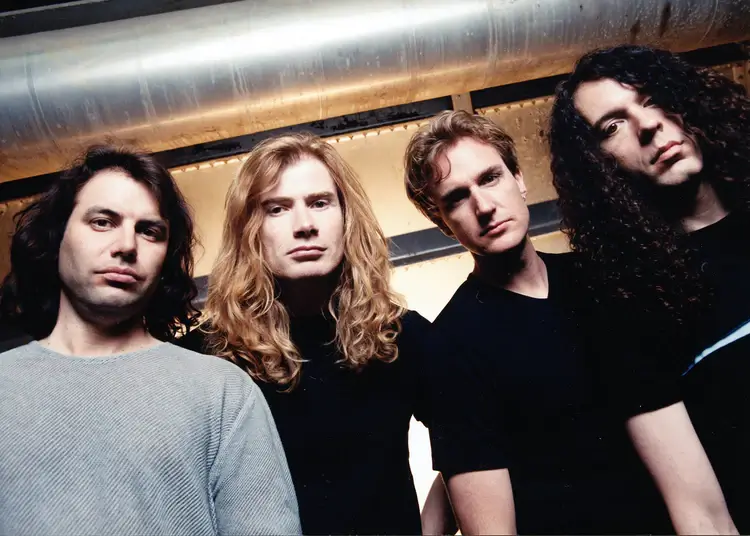
Drummer Change
1998-2000
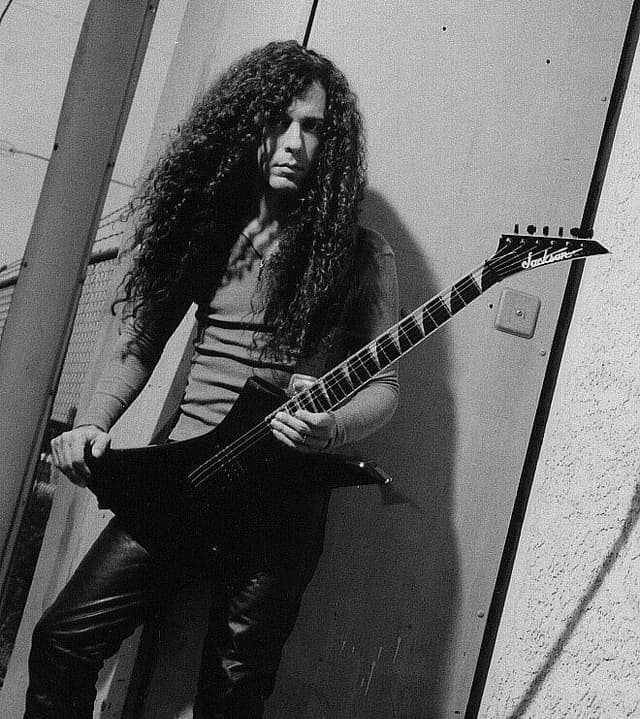
The Drummer Change Era marked the end of Megadeth's golden decade and the beginning of a new experimental phase that would define the band's direction toward the new millennium. Following Nick Menza's forced departure in 1998 due to health problems requiring knee surgery, Dave Mustaine faced the challenge of finding a replacement who could maintain the technical level and musical chemistry established during the classic era. The solution came with Jimmy DeGrasso, a veteran drummer with an impressive resume that included experience with Alice Cooper's band, as well as previous collaborations with Y&T and Suicidal Tendencies. DeGrasso brought a more direct and rock-oriented drumming style compared to Menza's technical complexity, but his rhythmic solidity and professionalism provided the stability necessary for the band to continue functioning without interruptions. The lineup consisting of Dave Mustaine (vocals and rhythm guitar), Marty Friedman (lead guitar), David Ellefson (bass), and Jimmy DeGrasso (drums) represented a natural transition that maintained three-quarters of the classic alignment while introducing a new rhythmic dynamic that would significantly influence the band's musical direction. This lineup embarked on one of the most risky and controversial projects in Megadeth's history: recording the album 'Risk' (1999). The album represented a radical exploration toward more accessible sounds, incorporating elements of alternative rock, pop metal, and more commercial production that deliberately moved away from the technical thrash metal that had defined the band during the previous decade. While 'Risk' did not receive the expected reception from traditional thrash metal fans, the album demonstrated Megadeth's willingness to experiment and evolve musically, with songs like 'Crush 'Em' and 'Breadline' that explored new sonic textures and simpler structures than the epic compositions characteristic of previous albums. The Mustaine/Friedman/Ellefson/DeGrasso formation remained stable during the 1998 and 1999 tours, demonstrating that the musical chemistry continued to work in the live context, although the mixed reception of the album generated internal tensions about the band's future direction. The real devastating blow to this era came in early 2000 when Marty Friedman, after almost eleven years as Megadeth's lead guitarist, announced his decision to leave the band. Friedman cited irreconcilable musical differences as the main reason for his departure, expressing his desire to explore more alternative, experimental, and pop-oriented musical styles that didn't fit with Megadeth's vision. Friedman's departure marked not only the end of a musical era but also the definitive closure of the golden '90s decade for Megadeth. His unique influence, which had combined neoclassical, oriental, and melodic elements to create the band's distinctive sound during their most successful period, represented an irreplaceable artistic loss that would forever change Megadeth's musical landscape. This transition coincided with global changes in the music industry at the end of the '90s, where traditional metal bands faced new commercial and artistic challenges that required adaptation and reinvention. The Drummer Change Era, though brief, represented a crucial turning point that would set the stage for the radical transformations that would come in the following decade.
Albums
Risk


Read the most interesting interviews throughout the last 40 years