
The Origins
The Birth of a Legend
Dave Mustaine was kicked out of Metallica and founded Megadeth with a thirst for musical revenge. Together with David Ellefson, they created a band destined to be "the fastest and heaviest in the world".
The Metallica Expulsion
Dave Mustaine was originally Metallica's first lead guitarist in their early days, but in 1983 –before the band recorded their debut album– he was kicked out due to alcohol and drug abuse, as well as constant conflicts with James Hetfield and Lars Ulrich. Humiliated but determined to get musical revenge, Mustaine returned to Los Angeles by bus and almost immediately set out to form "the fastest and heaviest band in the world", capable of surpassing Metallica.
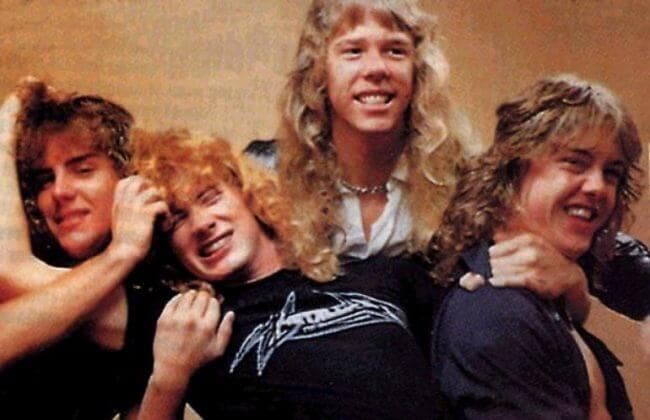 Dave Mustaine with Metallica before his expulsion in 1983
The Birth of Megadeth
Together with young bassist David Ellefson (whom Mustaine met when he was playing at full volume in the apartment next door), he founded Megadeth in 1983. The name comes from a political pamphlet that Mustaine found discarded on that return bus: the pamphlet read the phrase "We can't get rid of the megadeath arsenal, regardless of how peace treaties evolve". Mustaine liked the word Megadeath (which in English designates a million nuclear deaths) but removed the second "a", creating Megadeth as a symbol of annihilation of the established order.
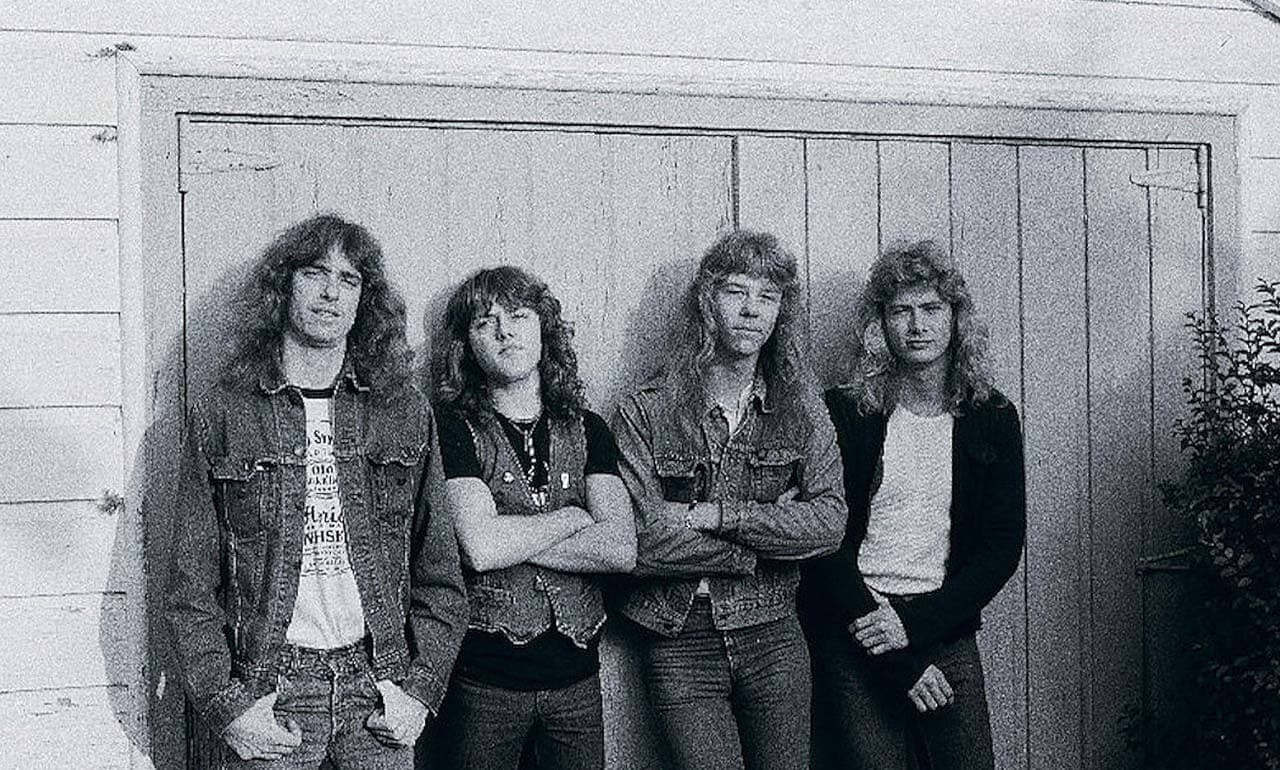
 Dave Mustaine and David Ellefson, the founders of Megadeth
Completing the Formation
Full of enthusiasm but with few resources, Mustaine faced difficulties completing the lineup. He and Ellefson auditioned dozens of drummers unsuccessfully; they even briefly featured Kerry King from Slayer as second guitarist in some local shows, a collaboration that showed the early fraternity of the thrash scene. They finally recruited jazz-fusion drummer Gar Samuelson and guitarist Chris Poland in late 1984, musicians who would bring technical complexity and sophistication to the brutal sound Mustaine sought. With Mustaine also handling vocals (unable to find a suitable singer), the quartet began composing material of extremely high speed and technical complexity that would raise the standards of emerging thrash metal.
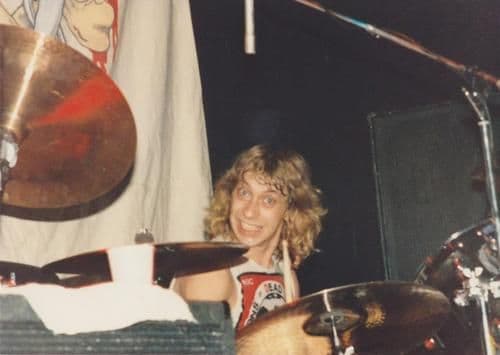
Gar Samuelson
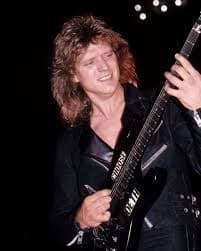
Chris Poland
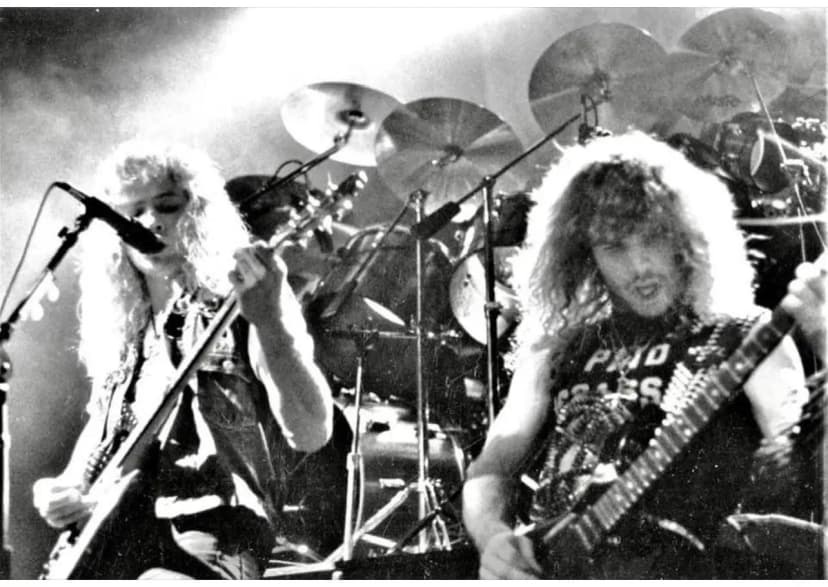
Kerry King in his appearances with Megadeth
Killing Is My Business… and Business Is Good!
In 1984 they recorded a three-song demo –"Last Rites/Loved to Death", "Skull Beneath the Skin" and "Mechanix"– that circulated in the underground scene and caught the attention of record labels. Mustaine signed with Combat Records, an independent label that offered them $8,000 to record their first album. The budget quickly vanished on drugs, alcohol and fun, reflecting the young group's unrestrained lifestyle. After firing the original producer, Megadeth finished producing the album themselves with lo-fi quality, but still their debut Killing Is My Business… and Business Is Good! (1985) became an underground metal success. The album, released in summer 1985, showed ferocious technique that raised the standard of emerging thrash metal. It included "Mechanix", a song that Mustaine had composed in Metallica and that band re-recorded (slower) as "The Four Horsemen" on Kill 'Em All, marking one of Dave's first musical revenges. It also featured the first appearance of Vic Rattlehead, Megadeth's now famous skull mascot, on the cover. With aggressive and fast songs, Killing Is My Business... put Megadeth on the map and got them a contract with the giant Capitol Records for their next release.
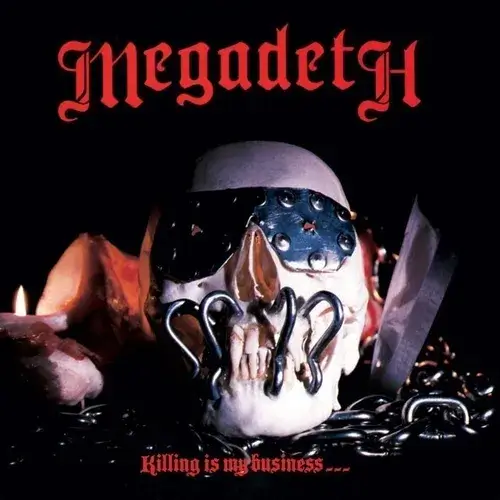 Debut album that marked the beginning of the legend
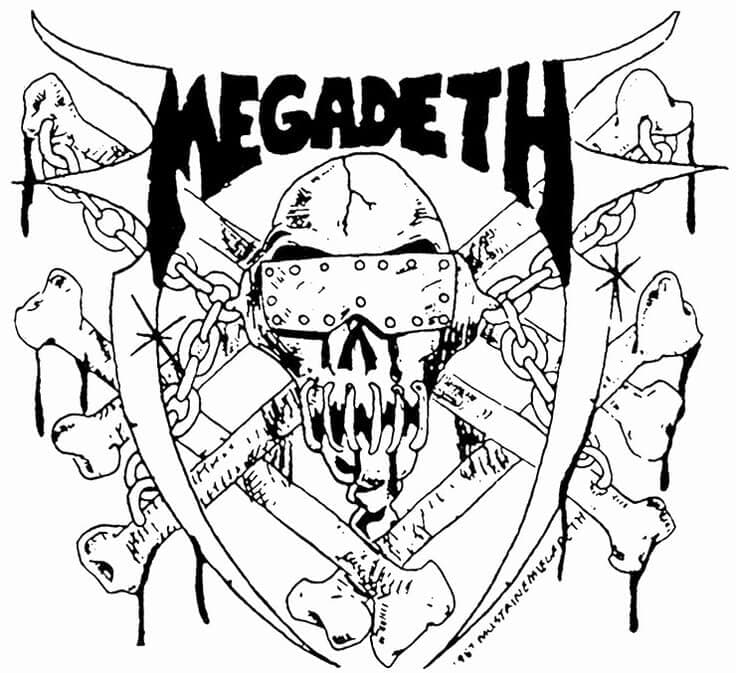 Vic Rattlehead makes his debut